Камера сгорания головки цилиндров, домы, клапаны и свечи зажигания, формы охлаждающей жидкости, в...
Новости отрасли
Дом / Новости / Новости отрасли / Литье под давлением против постоянной формы: какой процесс обработки алюминия победит?

Для крупносерийного производства алюминия, требующего жестких допусков и тонких стенок, лучшим выбором является литье под давлением. Для меньших объемов, деталей с более толстыми стенками или сплавов, непригодных для литья под давлением, литье в постоянные формы обеспечивает лучшую экономичность и гибкость. Понимание того, в чем каждый процесс превосходен, а где нет, может сэкономить производителям значительные инвестиции в инструменты и стоимость каждой детали.
И при литье под давлением, и при литье в постоянные формы используются металлические формы многоразового использования, а не одноразовые песчаные формы, что сразу отличает их от литья в песчаные формы с точки зрения однородности размеров и качества поверхности. Однако они существенно различаются по давлению впрыска, скорости цикла, стоимости оснастки и типам деталей, с которыми они лучше всего справляются.
При литье алюминия под давлением расплавленный алюминий впрыскивается в стальную форму (матрицу) при давлении, обычно варьирующемся от от 1500 до 25 000 фунтов на квадратный дюйм . Это чрезвычайное давление заставляет металл проникать в каждую деталь полости, прежде чем он затвердеет. Время цикла может быть таким же быстрым, как от 15 до 60 секунд для большинства автомобильных и потребительских деталей, что делает его одним из самых быстрых доступных процессов обработки металлов давлением.
Существуют два варианта: литье под давлением в горячей камере (для легкоплавких сплавов) и литье под давлением в холодной камере. Алюминий с его более высокой температурой плавления (~660°C) всегда использует машины с холодной камерой , где расплавленный металл подается в камеру впрыска отдельно.
Литье в постоянную форму (на некоторых рынках его также называют гравитационным литьем под давлением) позволяет заполнять многоразовые стальные или железные формы под действием силы тяжести или низкого давления — обычно под давлением. 15 фунтов на квадратный дюйм . Без чрезмерного давления при литье под давлением время цикла обычно сокращается. от 1 до 5 минут за цикл. Однако более мягкое заполнение уменьшает турбулентность, что часто позволяет получить детали с лучшей внутренней целостностью и меньшим количеством проблем с газовой пористостью.
| Параметр | Литье алюминия под давлением | Постоянное литье в форму |
|---|---|---|
| Давление впрыска | 1500–25 000 фунтов на квадратный дюйм | Гравитация до ~ 15 фунтов на квадратный дюйм |
| Типичное время цикла | 15–60 секунд | 1–5 минут |
| Минимальная толщина стенки | 0,5–1,5 мм | 3–5 мм |
| Размерный допуск | ±0,1–0,3 мм | ±0,3–0,8 мм |
| Чистота поверхности (Ra) | 0,8–3,2 мкм | 2,5–6,3 мкм |
| Стоимость оснастки | 10 000–100 000 долларов США | 2000–25 000 долларов США |
| Жизнь плесени (кадры) | 100 000–1 000 000 | 10 000–150 000 |
| Экономичный объем | 10 000 деталей/год | 500–10 000 деталей в год |
| Диапазон веса детали | Грамм до ~25 кг | Грамм до ~150 кг |
| Уровень пористости | Выше (риск захвата газа) | Нижний (более плавная заливка) |
| Термическая обработка | Ограниченная (пористость, вздутие) | В целом да |
Алюминиевые формы для литья под давлением почти всегда изготавливаются из Инструментальная сталь для горячей обработки H13 , хромомолибденовый сплав, способный выдерживать повторяющиеся термические циклы при впрыскивании расплавленного алюминия при температуре ~ 680 ° C в форму, которую можно поддерживать при температуре 150–250 ° C. Конструкция пресс-формы сложна и обычно включает в себя:
Сложная автомобильная форма для литья под давлением с несколькими направляющими может стоить От 80 000 до 200 000 долларов или больше. Время выполнения заказа от проектирования до первого выстрела обычно составляет от 8 до 16 недель . Именно поэтому литье под давлением имеет экономический смысл только при достижении определенных производственных показателей.
Высококачественные штампы из стали H13 для литья алюминия позволяют достичь От 500 000 до более 1 000 000 выстрелов при правильном обслуживании. Трещины от термической усталости (так называемые «термопроверки») являются основным видом разрушения. Плановые интервалы технического обслуживания — обычно каждые 50 000–100 000 выстрелов — включают полировку, сварочный ремонт изношенных участков, а также повторное покрытие PVD или азотирование для продления срока службы.
Инструменты для постоянных форм изготавливаются из серого чугуна или стали, причем серый чугун обычно используется для небольших объемов производства, поскольку его дешевле обрабатывать и он имеет приемлемую теплопроводность. Покрытия формы (огнеупорные промывки, наносимые перед каждой заливкой) имеют важное значение — они служат тепловым барьером, предотвращают припаивание алюминия к форме и помогают контролировать скорость затвердевания.
Поскольку давление заполнения низкое, постоянные формы не требуют такой же прочности конструкции, как формы для литья под давлением. А Простая постоянная форма с двумя пластинами может стоить от 3000 до 8000 долларов. , в то время как сложный инструмент с сердечниками и боковыми действиями может стоить 20 000–25 000 долларов, что все же значительно меньше, чем эквивалентный инструмент для литья под давлением.
Срок службы пресс-формы короче: От 15 000 до 80 000 циклов характерна для заливки алюминия в чугунные формы, при этом стальные формы служат несколько дольше. Это ограничивает экономическое преимущество литья в постоянные формы при очень больших объемах.
Не все алюминиевые сплавы подходят для литья под давлением. Высокие скорости впрыска и быстрое затвердевание способствуют получению сплавов с хорошей текучестью и низкой усадкой при затвердевании. Наиболее часто используемые алюминиевые сплавы для литья под давлением включают в себя:
Напротив, литье в постоянные формы позволяет более широкий ассортимент сплавов включая термообрабатываемые сплавы серии 3хх.х, такие как А356 и А357. Эти сплавы могут подвергаться термообработке Т6 (термическая обработка на раствор, искусственное старение) для достижения предела прочности на разрыв 260–310 МПа с удлинением 6–12% - механические свойства, которым обычно не могут соответствовать отливки, поскольку пористость вызывает образование пузырей во время термообработки.
Это одно из наиболее практически важных различий между этими двумя процессами. Поскольку литье под давлением захватывает газ во время высокоскоростного впрыска, этому процессу присуща пористость. Варианты литья под вакуумом и литья под давлением уменьшают, но редко устраняют, эту пористость. Результат:
| Недвижимость | Литье под давлением A380 (закал F) | Пермь. Пресс-форма A356-T6 |
|---|---|---|
| Предельная прочность на растяжение | ~324 МПа | ~262 МПа |
| Предел текучести | ~160 МПа | ~207 МПа |
| Удлинение при разрыве | 3,5% | 5–12% |
| Поддается термической обработке? | Нет (стандарт) | Да (возможен T6) |
| Герметичность под давлением | Требует пропитки | В целом лучше |
Для деталей конструкций, которые должны выдерживать динамические нагрузки (подвески, гидравлические корпуса, корпуса медицинских устройств), отливки в постоянных формах с использованием A356-T6 часто превосходят отливки под давлением по усталостной долговечности и пластичности, даже если UTS в литом состоянии ниже.
Экономика этих двух процессов полностью зависит от объема производства. Высокая стоимость оснастки для литья под давлением амортизируется при больших тиражах; Более низкая стоимость оснастки для постоянной пресс-формы делает возможными небольшие тиражи.
Рассмотрим представительную алюминиевую деталь весом 500 грамм средней сложности:
Инструменты для литья под давлением с несколькими полостями, где за один цикл производятся 2, 4 или даже 8 одинаковых деталей, значительно снижают стоимость детали при масштабировании. Инструменты для постоянных форм реже разрабатываются для производства с несколькими полостями из-за более медленной динамики заполнения.
Реальные модели выбора отрасли отражают сильные стороны процессов, рассмотренные выше:
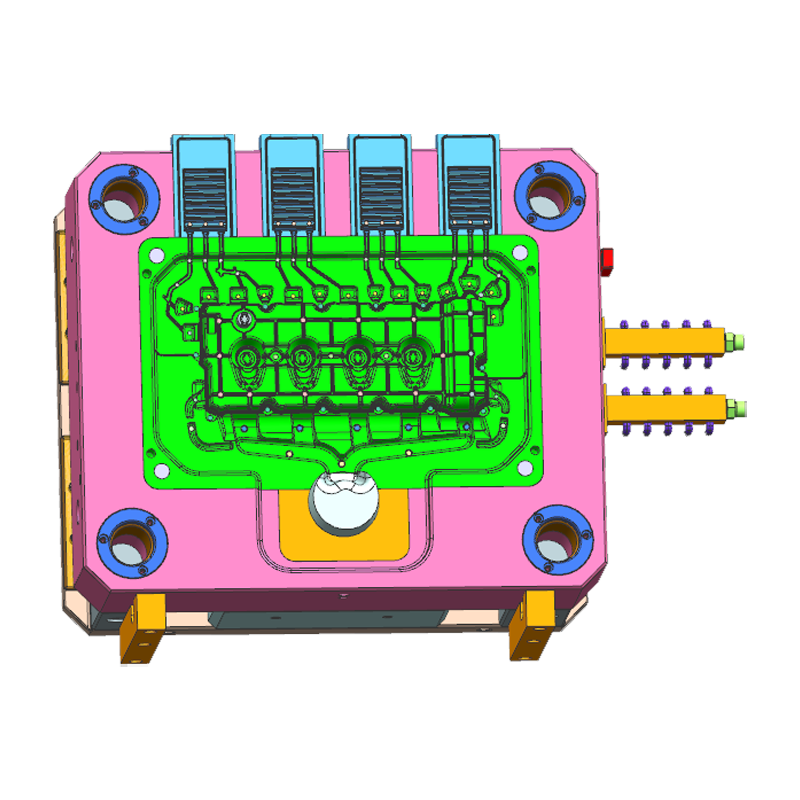
Камера сгорания головки цилиндров, домы, клапаны и свечи зажигания, формы охлаждающей жидкости, в...
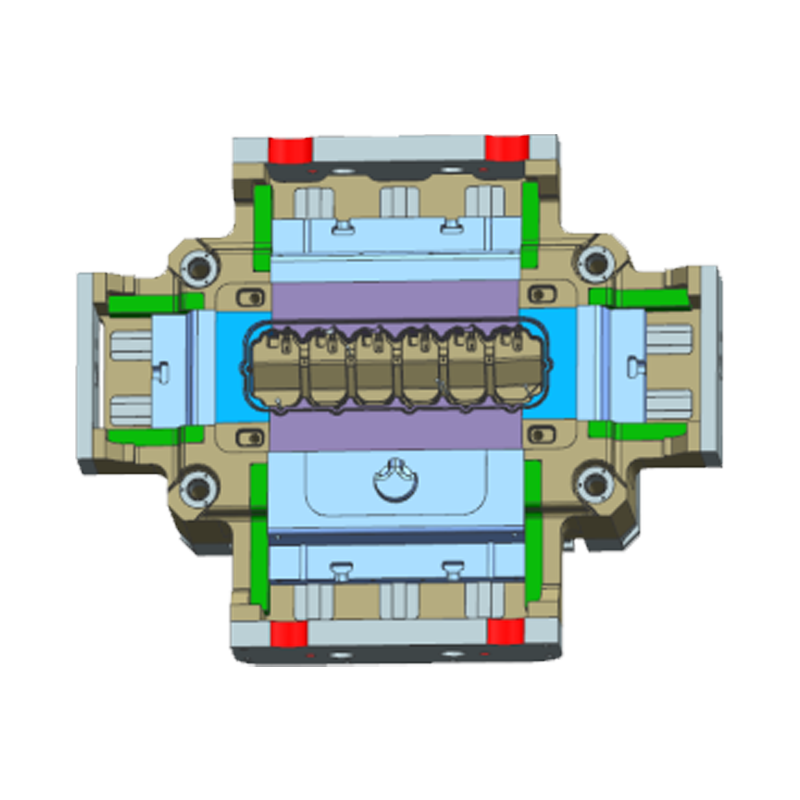
Крышка кронштейна распределительного вала обеспечивает положение распределительного вала, гермети...
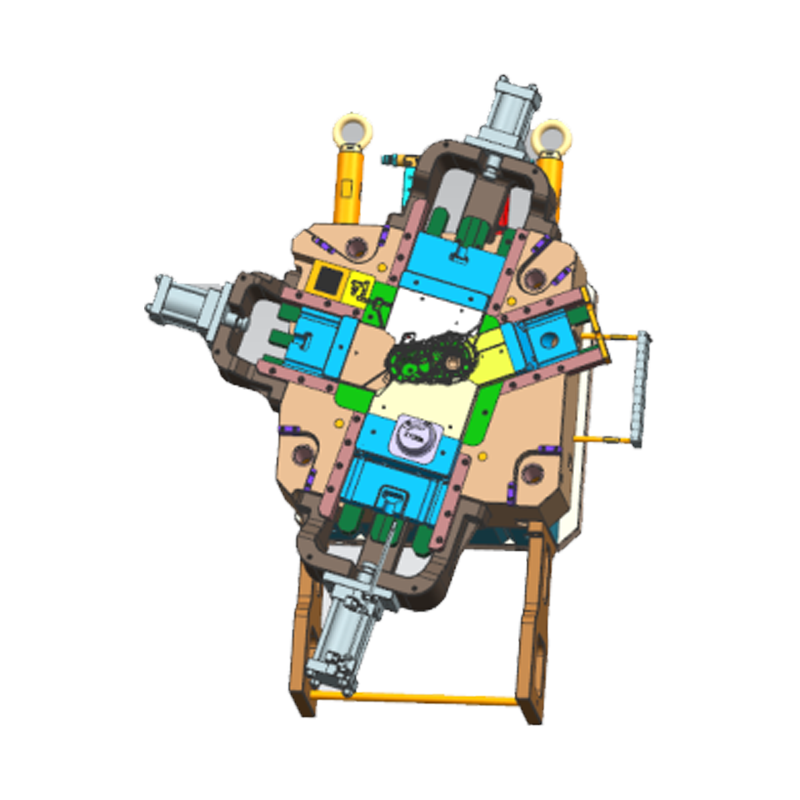
Алюминиевая кубическая коробка коробки передач. Наиболее важные требования: 1. Свойства матери...
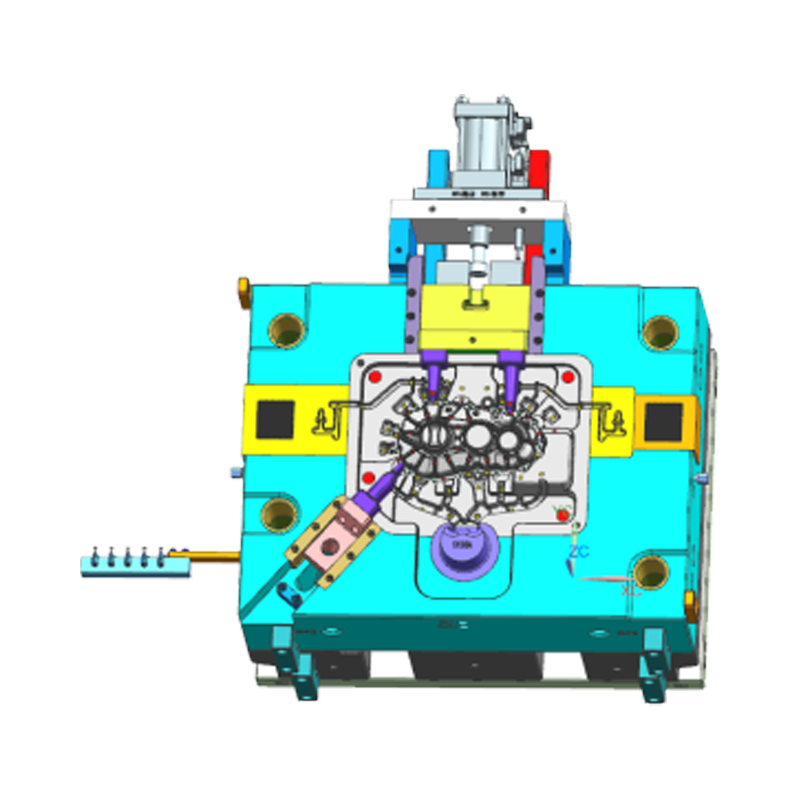
Корпусная корпус для литья литья. Высокие формы Yunmai.
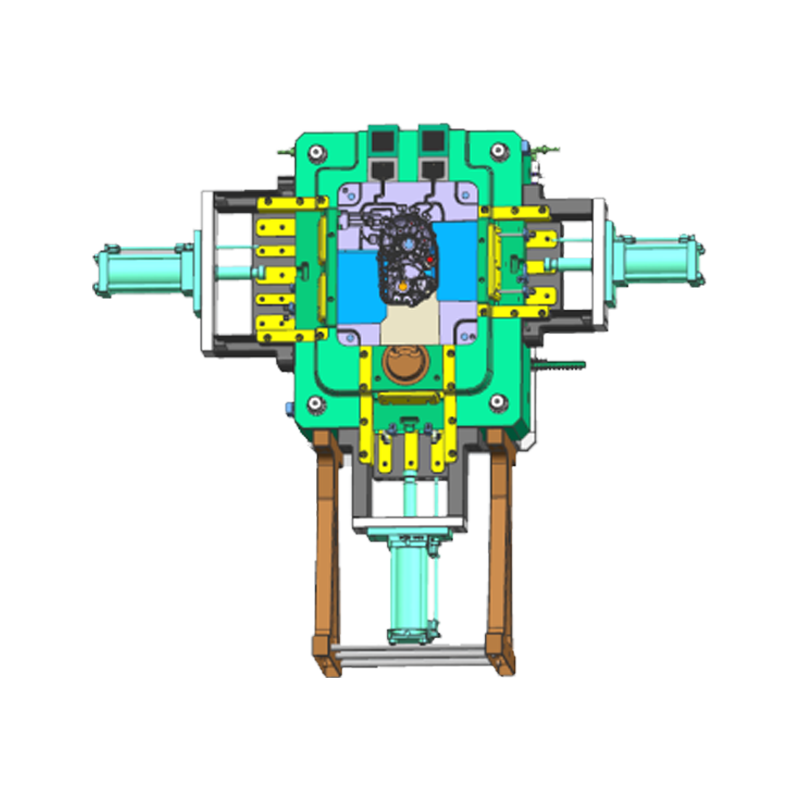
Трансмиссионные формы корпуса являются основополагающими для эффективного и точного производства ...
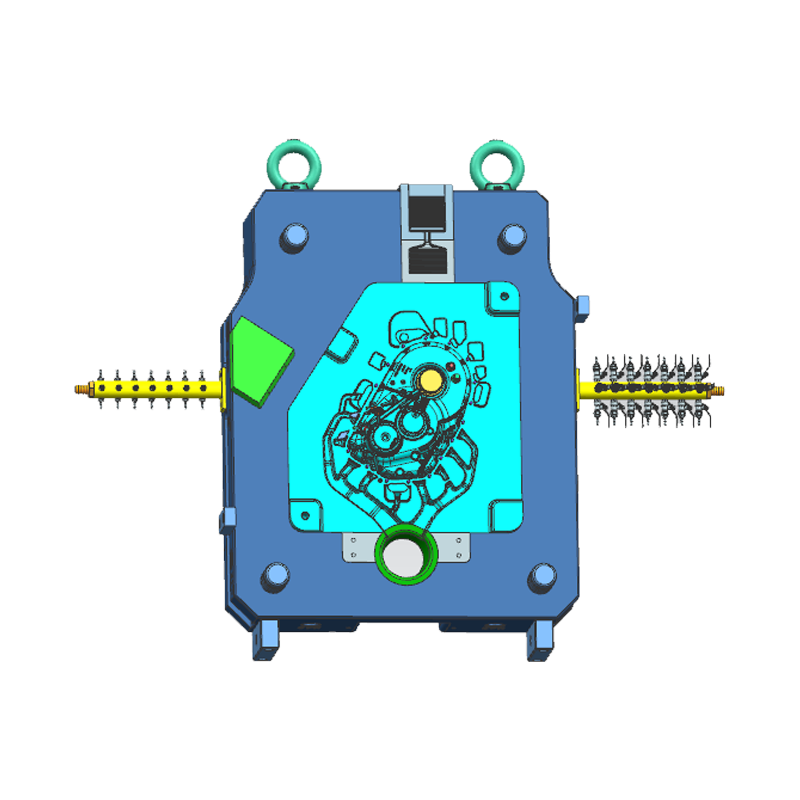
Seres TransImission принимает сложную структуру полости; Высокоэффективная система охлаждения, ра...
Copyright © Ningbo Yunmai Precision Machinery Co., Ltd. Все права защищены
